
The Valide Sultan: The Queen Mother Who Ruled the Harem
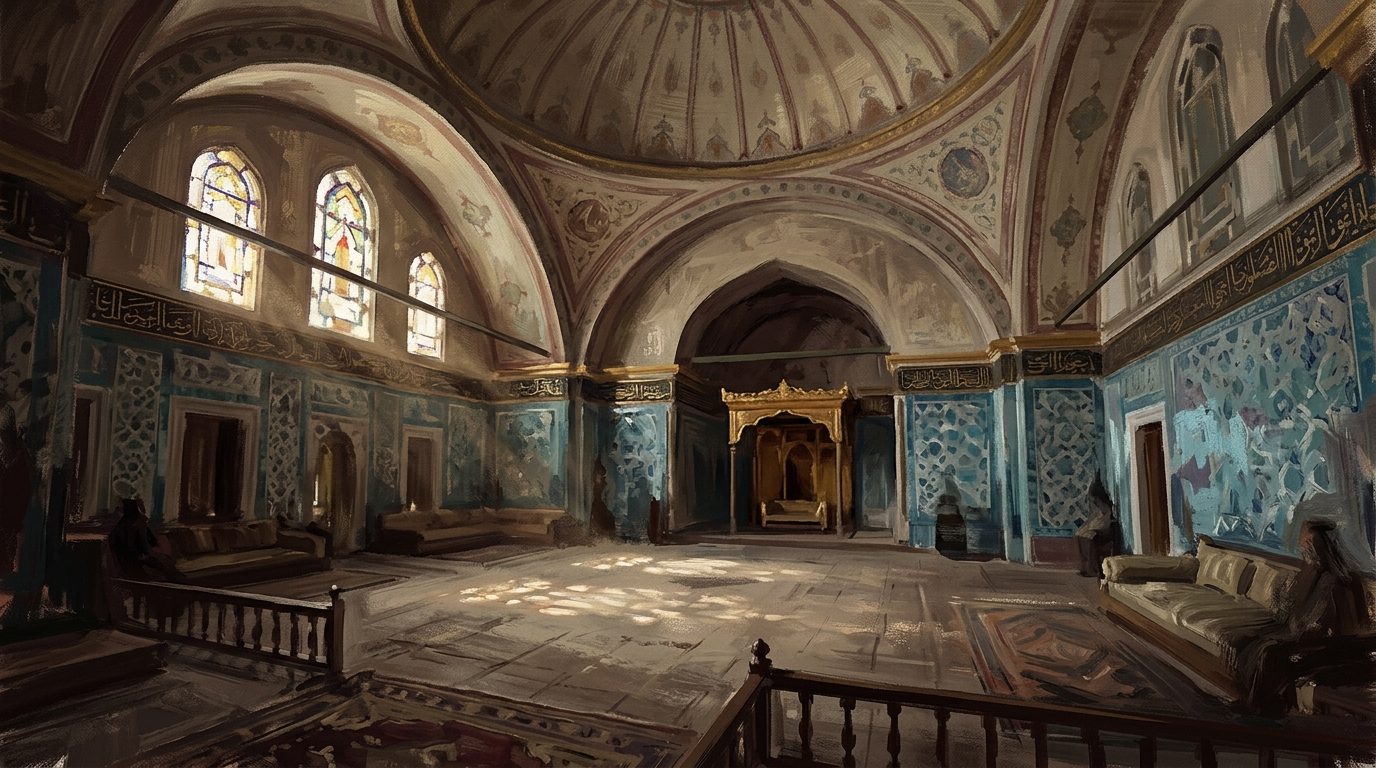
The valide sultan was the mother of the reigning Ottoman sultan and the most powerful woman in the empire. As head of the imperial Harem she commanded its household, its hierarchy and its wealth; at the height of the office, in the seventeenth century, valide sultans acted as regents who governed the empire in a young sultan’s name. Her authority flowed from a single unbreakable bond — she was the one person the sultan owed his life to.
The title means, simply, “mother sultan”. Behind that plain phrase lay the most formidable career a woman could hold in the Ottoman world. Here is how the office worked.
From Concubine to Queen Mother
No woman was born a valide sultan; each one earned the title the day her son took the throne. A mother might spend twenty years in the Harem as a concubine and mother of a prince, her fortunes bound to a son who might never rule. When he did accede, she was raised in a single stroke to the summit of the female hierarchy.
The elevation was marked by a grand public procession, the Valide Alayı, which carried the new queen mother from the old palace, or from her existing quarters, to her place at the head of the Harem. It is worth noting a famous exception: Hürrem Sultan, subject of our piece on the women who ran the Harem, was never a valide sultan. She was the wife of Süleyman the Magnificent and died before her son Selim II became sultan — proof that even the most celebrated Harem woman held a different kind of power from the queen mother’s.
Her Household and Her Wealth
Inside the Harem the valide sultan ruled a court within a court. She managed the household’s hundreds of women and its black eunuch guardians, arranged the sultan’s marriages and his concubines, disciplined the ranks, and oversaw the upbringing of princes and princesses. Her word set the tone of palace life.
That authority rested on real economic power. The valide sultan received a large daily stipend and held revenue grants of her own, an independent income sometimes called paşmaklık — “slipper money” — that funded a scale of patronage rivalling any minister’s. Her apartments were among the grandest in the palace: a suite of domed, tile-lined rooms with a private bath and a courtyard, placed at the very heart of the Harem so that she stood between the sultan’s quarters and the rest of the household. The architecture itself confirmed her centrality.
Builders of the City
Queen mothers turned their wealth into stone, and Istanbul still carries their signatures. Nurbanu Sultan, mother of Murad III, endowed the great Atik Valide mosque complex on the Asian shore, built by the architect Sinan. Later, the massive New Mosque, the Yeni Cami, that anchors the Eminönü waterfront was begun under the patronage of Safiye Sultan and finally completed by Turhan Hatice Sultan — a monument raised across two generations of queen mothers.
Such foundations were both piety and politics. A mosque, a school or a soup kitchen bearing a valide’s name broadcast her standing across the capital and secured her memory long after her son’s reign had ended.
The Age of the Regent Mothers
The office reached its zenith in the seventeenth century, during the era historians call the Sultanate of Women. When sultans came to the throne as children or proved weak, their mothers stepped into the vacuum as effective rulers.
The towering figure is Kösem Sultan, mother of Murad IV and Ibrahim and grandmother of Mehmed IV, who wielded regency-level power over three reigns until she was killed in a palace coup in 1651. Her rival and successor, Turhan Hatice Sultan, then governed for her young son and helped steady the state by backing the Köprülü grand viziers. For decades, decisions that shaped the empire were taken in the valide sultan’s apartments at Topkapı.
The Real Power Behind the Throne
The valide sultan was no ornament. She was chief of the imperial household, a great landowner and patron, a builder of monuments and, at times, the true government of the empire. To understand Ottoman power you have to look past the throne room to the Harem apartments where the sultan’s mother held court.
Those rooms are among the most atmospheric in the palace, and their meaning comes alive when the history is told on the spot. To walk the valide sultan’s Harem with an expert guide, you can arrange a guided visit here.